

Want to be part of the team? Contact us Today!
ABOUT YCSSAR
The Yuba County Sheriff’s Search & Rescue assists the Sheriff's Department and the community via ground, mounted, and off-highway vehicle search and rescue efforts.
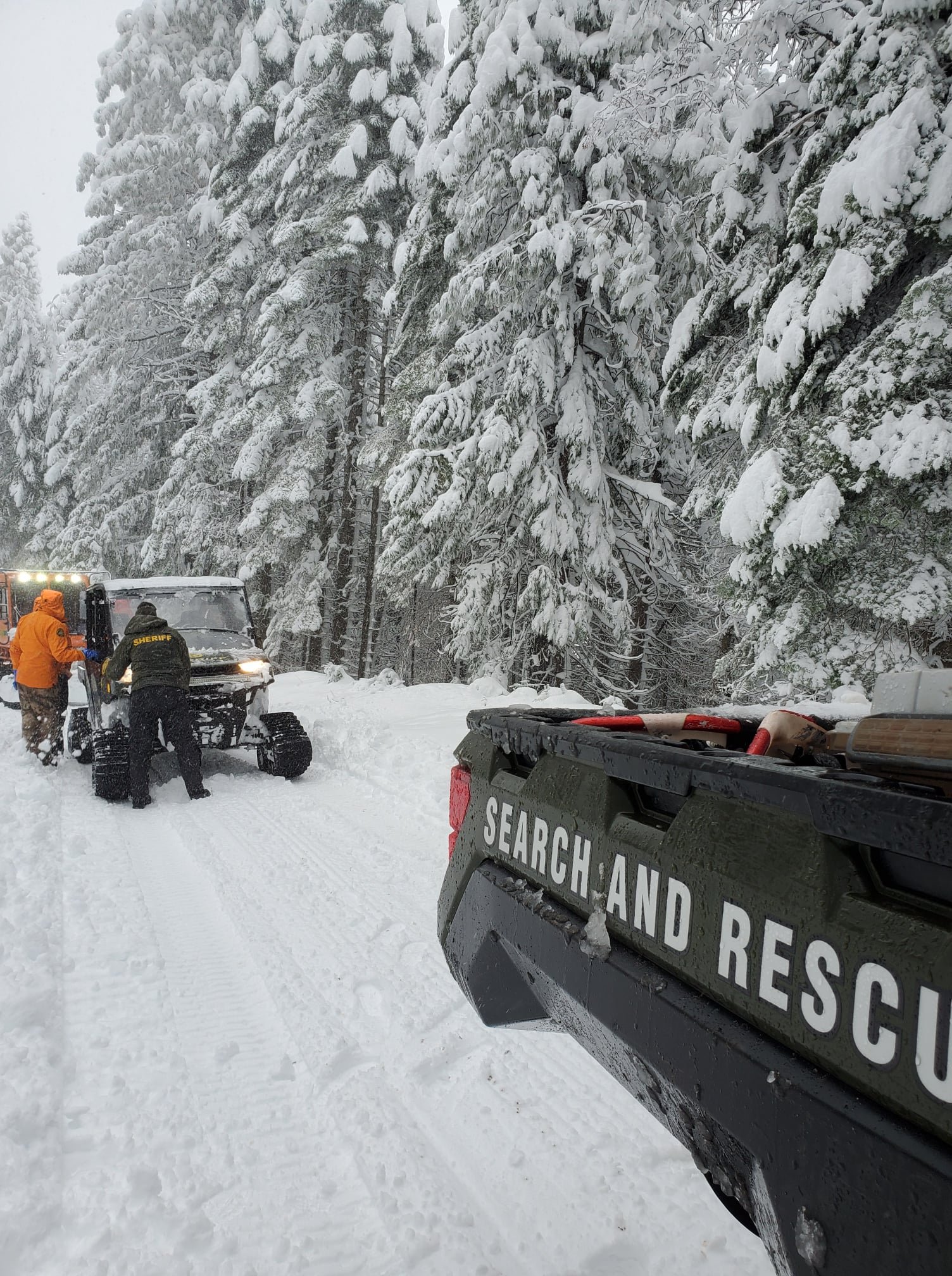
Members intending to actively serve in SAR capacity via mounted or on off-highway vehicles must be fully qualified via the extended, specific training required.
Additionally, individual Posse mounts are required to be fully qualified via the established training schedule.
Any community member interested in taking an active role in community service is encouraged to apply for membership.
Yuba County Search & Rescue is a 100% volunteer organization.
Requirements
All Applicants Must:
Be a United States Citizen.
Be 18 years of age or older.
Be of good moral character.
Be able to pass a Sheriff's Department background check.
Attend general meetings & participate in community service events when requested.

The Process
Interested in being a member of YCSSAR? The process is outlined below.
Contact us and Attend a General Meeting.
Fill out the Volunteer Application. (Volunteer Application)
Interview with YCSSAR Applicant Committee.
Complete Sheriff’s Department Background Check, Personal History Statement & Live Scan.
Complete one-year probationary period.
Training Qualifications
SAR capacities in which members may serve, and the minimum qualifications for service in each specific capacity, are outlined below. Members may qualify to serve in any/all capacities, so long as each qualification is originally earned.
Basic –
A certified CPR course.
An accredited first-aid course.
Radio communications training.
Map/compass training.
GPS raining.
Ground–
Basic Training.
A two (2) mile walk.
Basic survival training.
Basic evidence training.
Participate in rope handling.
Participate in patient packaging exercises.
Command Post–
Basic Training.
Intro to Command Post Training.
Intro to SARTopo.
Basic Map Segmenting.
CP Form Completion and Processing.
OHV–
Basic Training.
Loading/strapping and unloading.
Riding flat, straight and in turns - both forwards and backward.
Riding uphill and downhill.
Backing uphill and downhill.
Traversing various terrain (water, sand, mud, etc.); and, traversing obstacles (timber, rocks, etc.).

Mounted Equine –
Basic Training.
Tie safely out of sight of other horses.
Load and unload in various trailer types.
Mount and dismount from left and right.
Open, pass through, and close a gate.
Walk over a bridge.
Travel through water.
Travel over a large and/or tall obstacle.
Back through a designated obstacle.
Pull a designated item (tire, log, etc.) both forward and backward.
Leave a group of mounted members at a trot/lope and return at a walk.
Approach, pick up, handle and return items (maps, slickers, etc.) to and from various locations while mounted.
“Pony” another horse and be “ponied” by another horse.
Demonstrate reasonable, controlled tolerance of loud, abrupt noises.
Demonstrate reasonable, controlled tolerance of OHVs.
Finish a ten (10) mile ride within the maximum allowable time.
Successfully complete “Leap Frog” field training.
Support Membership-
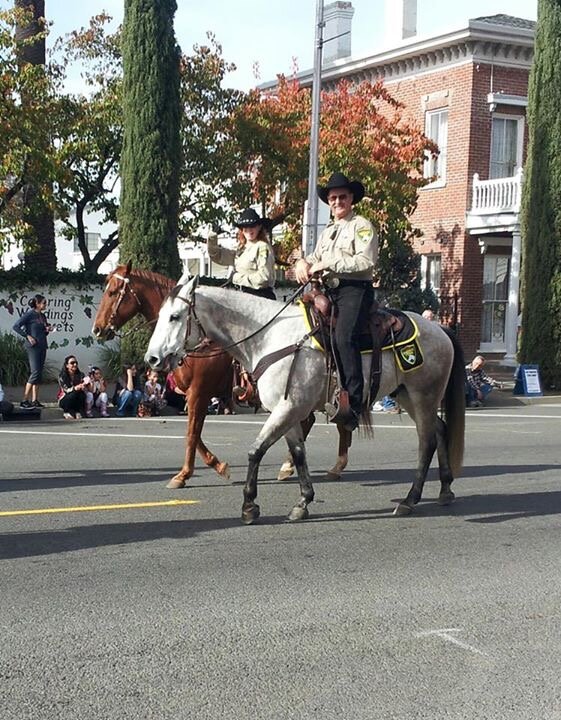
Support Membership is available to members who wish to participate in a supportive capacity only. Support members assist with community events, such as parades and fundraisers. Support members are exempt from attending search and rescue related training and qualifications and are not eligible to serve in an official search and rescue capacity unless called upon by the Liaison Officer, or the Department’s on-scene Commander.
